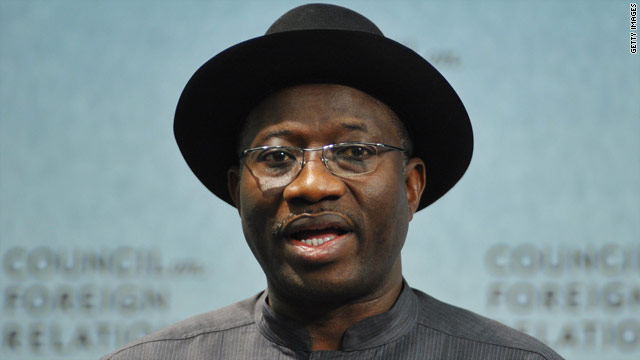
Cardinal Marc Ouellet has said terminations are wrong even in rape cases
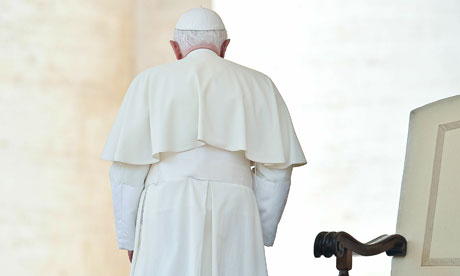
The pope handed one of the most powerful jobs in the Vatican to a cardinal who said recently that abortion was wrong, even in cases of rape.
The reshuffle also saw a senior prelate moved from the institution that helps frame the Catholic church's "pro-life" doctrines after he appeared to question the announcement by another archbishop that the mother of a child rape victim had removed herself from the church by arranging for her daughter to terminate her pregnancy.
Archbishop Rino Fisichella was transferred to head a new department charged with stemming the advance of secularisation, particularly in Europe.
It is the appointment of Cardinal Marc Ouellet, however, that is likely to arouse most controversy. As prefect of the Congregation for Bishops, Ouellet, until now the archbishop of Quebec and primate of Canada, will be responsible for drawing up shortlists from which the pope decides who is to get a bishop's mitre.
The prefecture is often regarded as the third most important job in the Vatican administration since its incumbent can prevent even the most gifted priest from rising to a position of leadership in the church. Ouellet has in the past been touted as a successor to Benedict.
This year, Ouellet provoked what the Canadian Broadcasting Corporation termed a "firestorm of criticism" when he told an anti-abortion conference in Quebec City that terminating a pregnancy was a "moral crime" even in rape cases. He said he understood that a sexually assaulted woman should be helped and her attacker held accountable. "But there is already a victim," he said. "Must there be another one?"
Pauline Marois, leader of the Parti Québécois, said she was outraged by Ouellet's views and accused him of trying to get abortion recriminalised – a claim a spokesperson for the archdiocese denied.
Four days after he made his remarks, the Quebec national assembly passed a unanimous resolution affirming women's right to free and accessible abortion.
Last year, there was worldwide controversy when Archbishop José Cardoso Sobrinho of Olinda and Recife in Brazil said the mother of a nine-year-old girl who had been repeatedly raped by her stepfather had excommunicated herself from the Catholic church.
In response, in an article published on the front page of L'Osservatore Romano, the Vatican's official newspaper, Fisichella wrote: "Before giving thought to excommunication, it was necessary and urgent to safeguard the innocent life of this girl".
He was replaced as president of the Pontifical Academy for Life by a Spanish prelate close to the conservative Opus Dei. Fisichella's appointment to head the nascent Pontifical Council for the Promotion of the New Evangelisation is not a demotion, but it marked the second time in a week that the pope sent a clear signal that he would not tolerate public dissent.
On Monday, the Vatican announced that the archbishop of Vienna, Cardinal Christoph Schönborn, had come to Rome to explain himself to the pontiff after apparently questioning priestly celibacy and accusing a fellow cardinal of mishandling a prominent sex abuse scandal.