Water firm to apply for drought permit after driest start to year since 1929, while Scotland also faces water shortages
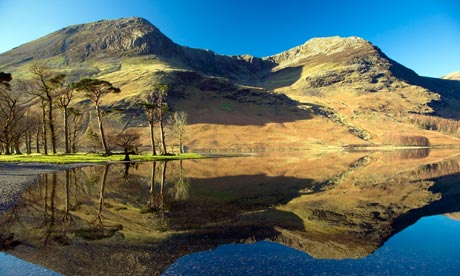
Areas of north-west England hit only seven months ago by floods which swept away bridges and turned streets into rivers, are now threatened with hosepipe bans and drought orders after the driest start to the year in almost a century, while householders in Scotland are facing their first drought order in five years.
Many reservoirs in Cumbria are only two-thirds full, with levels falling fast after the least winter and spring rainfall since 1929. The regional water company, United Utilities, would like to see days, if not weeks, of heavy rain to top them up.
The region traditionally has the highest rainfall in the country but has fewer natural underground water supplies, leaving it more dependent on manmade surface storage. Rainfall in May was only 38% of the regional average, and June has followed the same pattern.
The company will apply today to the Environment Agency for a drought permit, which would allow more water to be moved to areas where shortages are becoming serious.
John Sanders, of United Utilities, said: "If the drier than average weather continues we will need to consider drought permit applications to temporarily allow increased abstraction of water from lakes and rivers. Similarly, we can't rule out the prospect of a hosepipe ban – it's 14 years since we had one in the north-west".
Trevor Bishop, head of water resources at the Environment Agency, said there was little threat to supplies elsewhere in England and Wales, adding: "We are working closely with United Utilities to make sure they are doing everything they can to secure water supplies, manage customer demand and tackle leakage".
The dry spill has also affected Dumfries and Galloway in south-west Scotland, which lies directly north of Cumbria across the Solway Firth. Scottish Water has warned it is "actively considering" asking for a drought order in the area for the first time in years after seeing the lowest rainfall there since 1964.
Reservoir levels were well below normal for this time of year and the publicly owned company is also closely watching river and reservoir levels in Ayrshire and Argyll and Bute where water levels are also unusually low.
