World-famous American boxer Evander Holyfield is famous for his gladiatorial battles-of-the-ring with the likes of Mike Tyson, Michael Moorer and Lennox Lewis and more than two decades after beginning his career, Holyfield is still fighting.
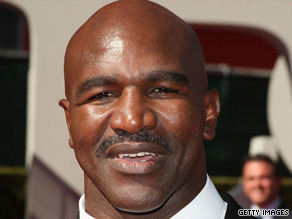
There are also rumors that Holyfield, who boasts a record of 43 wins from 55 bouts, is about to match up with retired Danish boxer Brian Nielsen later in the year.
But, it isn't only boxing that Holyfield has his eye on.
The former heavyweight champion and Olympic bronze medalist, who famously had part of his ear bitten off by Tyson during a world-title fight in 1997, has also become a bit of an environmentalist, turning his Atlanta, Georgia estate into a renewable energy playground by building a solar farm along side an organic garden at his ranch.
As one of only three men in history to have been crowned world heavyweight champion three times in a career, the one dubbed 'The Real Deal' hopes to make green history with his actions.
Here's your chance to send in your questions to boxer Evander Holyfield.
Do you want to know what his most memorable match was? Why does he enjoy boxing? How has his efforts on the environmental front gone?
Please leave your questions below and be sure to include where you're writing from. CNN